
Having a tooth removed is a significant decision. However, at times, it will prove the only path forward to protecting your oral health. We offer professional tooth extraction and wisdom teeth removal for patients of all ages at our practice in Upland. Reach out to Alta Dental Care to set up an appointment to see if you need an extraction to preserve your oral health.
Table of Contents
Toggle

Why Have a Tooth Extraction?
No one wants to have a tooth taken out. But tooth extraction may be the only solution in some cases. Usually, we recommend tooth extraction if a patient meets one of the following more common criteria:
- Has a severely damaged tooth (due to decay or injury)
- Has an infection that is too severe to safely treat
- Has crowding or issues with the tooth’s position
What About Wisdom Teeth Removal?
The most common type of tooth extraction is wisdom teeth removal. Also called your third molars, wisdom teeth are the last teeth to grow in. However, many people do not have enough space in their mouth for the teeth to grow in properly. This can lead to crowding, impaction, or a range of other issues as the teeth try to grow in. Wisdom teeth removal quickly solves the issues.
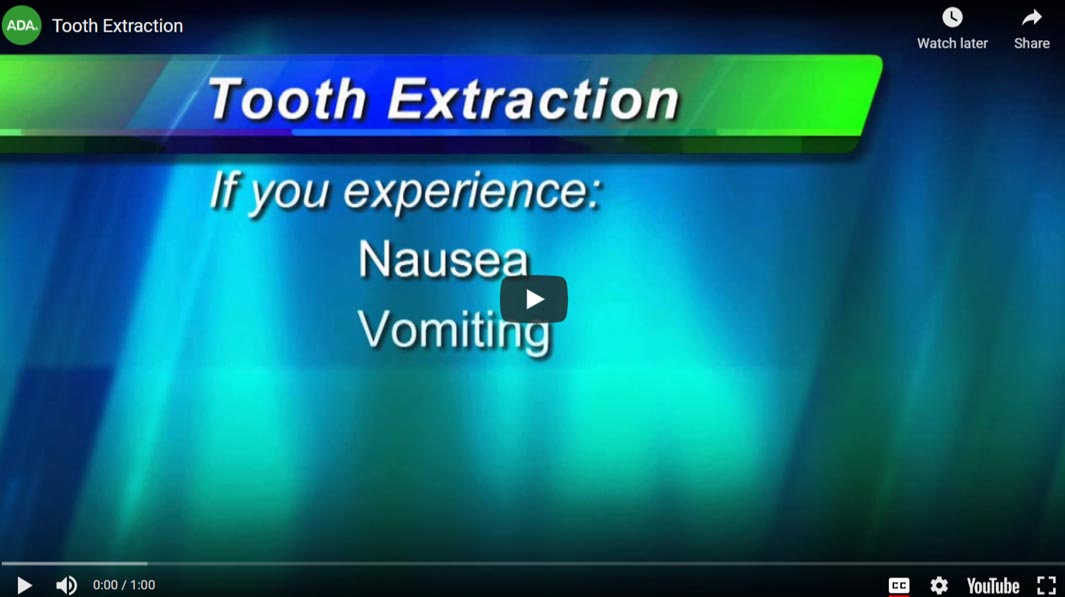
What Is a Tooth Extraction Procedure Like?
- X-rays: We may first need to take X-rays (especially for wisdom teeth) to see whether you need extraction or not. In other cases, a physical exam is sufficient to determine next steps.
- Anesthetic: Most tooth extractions can be done with only local anesthetic, which prevents you from feeling any pain. For more complex cases, patients may receive stronger sedation.
- Incision & Removal: The surgeon opens the gum to fully access the tooth and removes it. This usually only takes a few minutes for simple cases.
- Closing the Gum: Depending on your situation, you may receive stitches to close the gums. From start to finish, an extraction typically takes between 10 and 30 minutes. Complex cases may take up to an hour or longer.
What are the signs that I need a tooth extraction?
Some signs you might need an extraction include:
- Severe, persistent tooth pain
- Notable swelling or an infection
- Loose teeth
- Gum recession or deep pockets
- Cracked or broken tooth below the gumline
- Impacted wisdom teeth
- Overcrowding or bite issues
- Repeated failed root canals
How long is the recovery?
Healing from tooth extraction takes very little time. Simple extractions can heal in only a couple of days. Wisdom teeth removal usually involves taking a couple of days off from school or work.
In both cases, swelling and discomfort are normal. The swelling is worst for the first few days, but usually resolves by the 1-week mark. Any discomfort usually remains mild enough to be managed with over-the-counter pain relievers.
What is the aftercare for tooth extraction?
Following your tooth extraction, you will need to take a few key steps. Some of the main ones include:
Controlling Bleeding: Bite on gauze for 30–60 minutes and avoid disturbing the blood clot.
Resting and Staying Elevated:
- Take it easy for 24 hours and keep your head elevated when lying down.
- Managing Pain & Swelling: Use cold compresses and take pain relievers as directed.
- Eating Soft Foods: Stick to cool, soft foods; avoid straws, hot foods, and hard or crunchy items.
- Avoid Smoking & Alcohol: Refrain from smoking, vaping, and drinking alcohol for at least 72 hours.
- Keeping It Clean: Gently rinse with salt water starting day 2 and avoid brushing near the site on day 1.
Can I replace an extracted tooth?
Yes, you certainly can. We offer several pathways to getting your smile back to 100%. The ideal option for replacing a single tooth will be dental implants. In some cases, you can have an implant placed immediately after your tooth extraction to streamline the process. Other options include dental implants and dentures.
Is tooth extraction painful?
Pop culture can make tooth extraction look frightening. In truth, the procedure takes a few minutes and is completely painless. Some discomfort and mild pain are normal afterward, especially for more complex cases. However, this should resolve within a few days.
Can I have wisdom teeth removal as an adult?
Wisdom teeth removal usually happens during adolescence. However, you can also have the procedure as an adult. If your wisdom teeth are causing you issues, then you can have them taken out regardless of your age.
Does insurance cover tooth extraction and wisdom teeth removal?
Most dental insurance plans will provide coverage for tooth extraction and wisdom teeth removal. However, the amount of coverage will depend on your plan’s details. When planning to have a tooth extracted, we recommend calling your insurance to see what your plan will cover.
How much does tooth extraction cost?
The cost of a tooth extraction depends on the complexity of the procedure. It also factors in the number of teeth to be removed. So a single simple tooth extraction will be less than removing four impacted wisdom teeth. We will go over the specifics of your individual quote during the appointment to ensure transparent pricing.
Schedule Your Appointment Today
For your convenience, request an appointment online. Or call us to discuss further tooth extraction costs and how we can help you with your dental problems. Call our Upland dentist today at 909-451-8300.

Frequently Asked Questions
Most commonly, a local anesthesia is used for wisdom tooth removal and other types of tooth extraction. In the majority of cases, this type of anesthesia is sufficient to completely block pain and prevent the patient from feeling any discomfort during the procedure. However, in cases of complex or lengthy surgical extractions, especially if multiple teeth are extracted at the same time, your doctor might offer sedation instead of, or in addition to, local anesthesia. Also, people who experience severe dental anxiety or find it challenging to remain in the same position for the duration of the procedure may opt for sedation.
A simple tooth extraction is performed when the tooth is intact and not covered by the gum tissue. For this procedure, your dentist will use forceps to pull the tooth out. A surgical extraction is needed for teeth that can not be pulled out in one piece (often because the tooth is broken) or that are partially or fully hidden underneath the gum line. In such cases, the dentist makes an incision in the gum first to access the tooth and then extracts it. Sometimes, a tooth has to be extracted in parts.
Tooth extraction is a very common procedure, routinely performed in almost every dental office. It is typically safe and goes without complications. However, depending on your anatomy, the position of the tooth, and the condition of your oral health, there might be a slight risk of the following complications:
- Nerve damage (rare)
- Bone fracture
- Damage to adjacent teeth
The healing process after tooth extraction typically goes without complications if you closely follow your doctor’s care recommendations. Otherwise, two main possible complications after tooth extraction are:
- Dry socket that occurs if the blood clot that forms in the socket after extraction is dislodged
- Infection that can occur due to insufficient oral hygiene and incorrect diet
At our office, we offer emergency and same-day tooth extraction. Such procedures might be required in the following cases:
- Oral trauma and broken teeth
- Severe tooth infection and pain
If you require emergency tooth extraction, do not hesitate to call our office at (909)451-83-00, and we will do our best to admit you as soon as possible.
If you delay extraction of an infected tooth, the infection is likely to become more severe and spread to the surrounding tissues or cause a dental abscess. Such infections typically cause acute pain (often described as the strongest pain ever experienced) and can lead to general health complications.
The consequences of delaying wisdom tooth extraction depend on what type of issues your wisdom teeth cause. Some people have healthy wisdom teeth that do not cause any discomfort and do not require removal. However, if your wisdom teeth are infected or cause chronic inflammation of the surrounding gum tissue, the consequences of delaying extraction will be similar to those we listed above.